
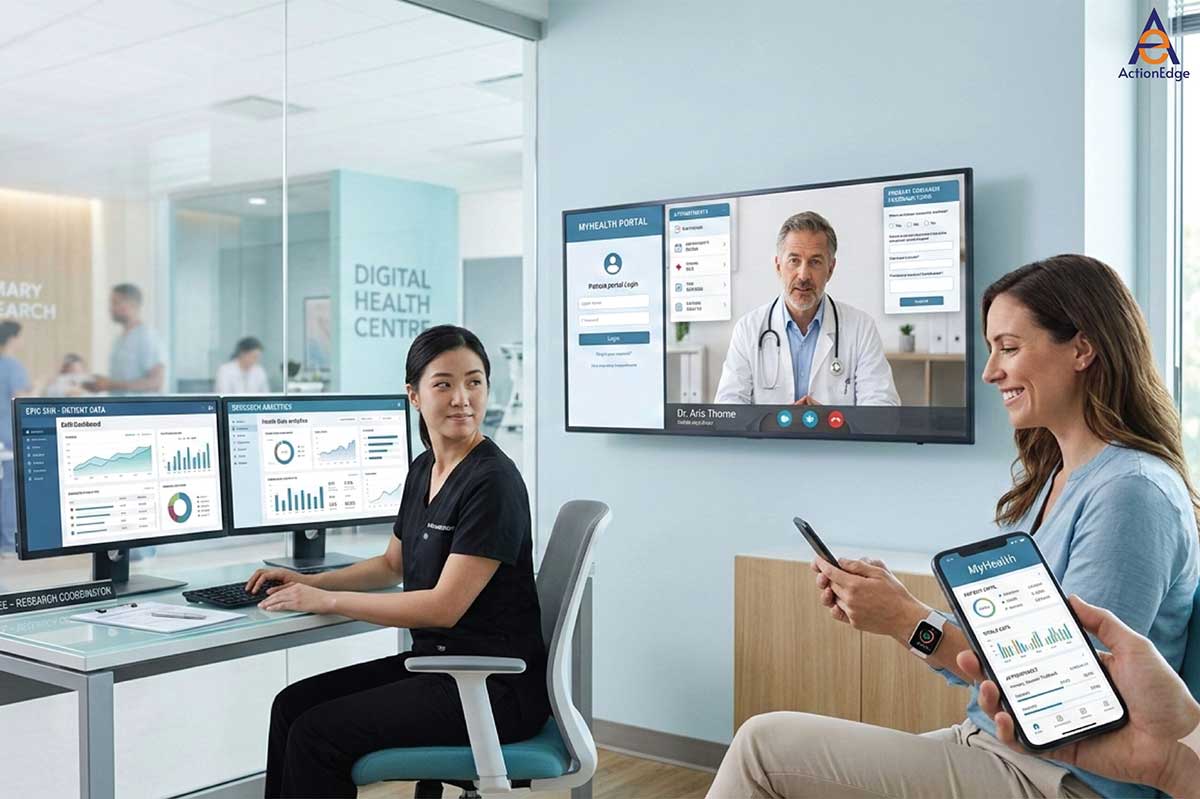
A patient schedules an appointment through a mobile app, checks test results through an online portal, and consults a doctor via telehealth. Modern healthcare has clearly entered the digital era. Hospitals and clinics now offer online bookings, remote consultations, digital prescriptions, and patient portals designed to simplify access to care.
However, the question healthcare leaders increasingly ask is simple. Are these digital tools actually improving the patient experience?
According to a survey, over 75% of patients say digital tools like portals and apps are somewhat or very important for connecting with healthcare systems, with 86% having used a patient portal in the past year to access their health information.
Today’s patients expect healthcare to be as convenient and responsive as other digital services they use daily. They want transparency about treatments, quick appointment access, and empathetic communication during stressful medical situations. Research from the World Health Organization also highlights that patient-centered care improves health outcomes and strengthens trust between patients and healthcare systems.
This shift means healthcare providers are no longer competing solely on the basis of treatment quality. They are competing on experience. Hospitals, clinics, and health technology providers are investing heavily in understanding what patients truly value. This is where healthcare market research becomes essential. By gathering direct insights from patients, providers can move beyond assumptions and design healthcare services that genuinely meet patient needs.
What Does Patient Experience Really Mean Today?
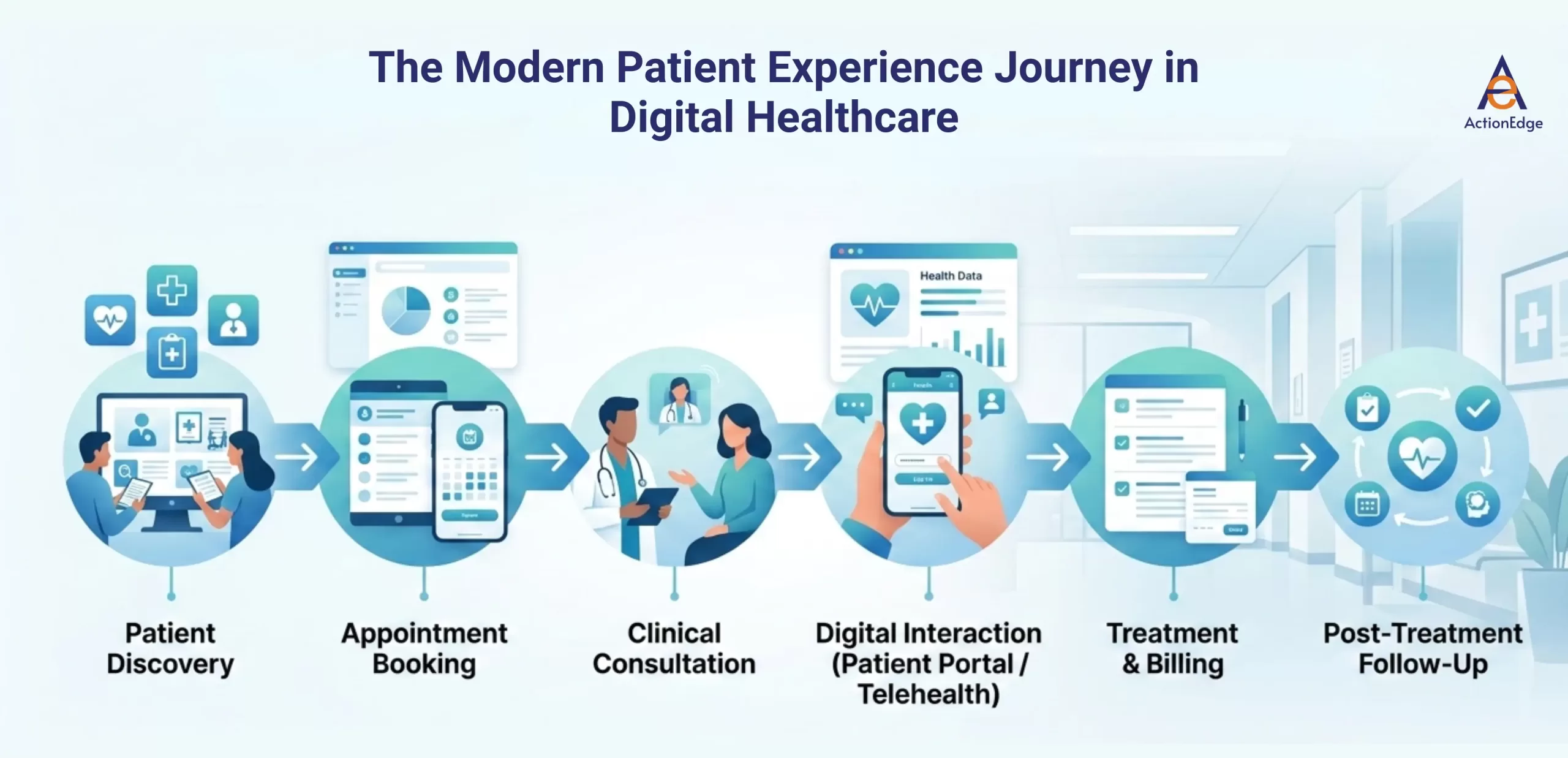
Patient experience is not limited to the moment a patient meets a doctor. In the digital age, it spans the entire healthcare journey from the first search for care to post-treatment follow-up.
Discovery and Access
The patient journey often begins online. Patients search for symptoms, read hospital reviews, and explore provider websites before making a decision. 79% of patients read online reviews before choosing a provider, making hospital ratings a key factor in initial discovery. A complicated booking process or limited appointment availability can discourage patients even before they reach the clinic.
Clinical Interaction
The consultation itself remains the most important interaction. Patients evaluate not only a physician’s medical expertise but also the clarity of communication, empathy, and the ability to explain treatment options in understandable language.
Digital and Operational Touchpoints
Healthcare now includes many digital touchpoints such as appointment reminders, telehealth platforms, billing systems, and patient portals. Video telehealth consultations achieve 86% patient satisfaction, highlighting the value of well-designed digital platforms. Each of these elements contributes to the overall experience. A well-designed portal that allows easy access to medical records can significantly improve patient satisfaction.
Post-Treatment Engagement
The patient relationship does not end after treatment. Follow-up communication, medication reminders, and recovery support play a vital role in maintaining trust and ensuring successful outcomes.
Understanding how patients perceive each stage is where patient market research becomes especially valuable. By mapping the entire journey, healthcare organizations can identify friction points and improve service delivery.
Why Patient Experience Is Now a Strategic Priority
Healthcare systems worldwide are realizing that patient experience directly influences both reputation and outcomes.
Hospital Ratings and Reviews
Patients increasingly rely on online reviews when selecting hospitals or physicians. Positive experiences translate into stronger ratings and better visibility on digital platforms.
Patient Retention
When patients feel valued and supported, they are far more likely to return to the same healthcare provider for future needs. There is a 60-70% chance that an established patient will return to their provider for the next appointment, underscoring the role of retention in long-term relationships. Retention reduces marketing costs and strengthens long-term relationships.
Word of Mouth and Reputation
Healthcare decisions are deeply personal. Patients frequently share their experiences with family and friends. A single positive or negative encounter can influence the decisions of multiple potential patients.
Clinical Adherence and Outcomes
Patients who understand their treatment plan and trust their healthcare provider are more likely to follow medical advice. This improves medication adherence and overall health outcomes.
Value-Based Care Models
Healthcare systems in many regions are shifting toward reimbursement models that reward patient satisfaction and outcomes. Patient feedback now directly impacts financial performance.
For these reasons, healthcare organizations are investing more heavily in healthcare market research to measure satisfaction, identify opportunities for improvement, and monitor patient perceptions over time.
The Growing Need of Market Research in the Medical Industry
Healthcare organizations operate in a highly complex environment that includes regulatory requirements, technological innovation, and evolving patient expectations. Traditional assumptions about patient behavior are no longer enough.
Medical market research provides structured insight into patient attitudes, preferences, and experiences. It allows healthcare providers to understand how patients choose hospitals, what influences trust in physicians, and how digital services affect satisfaction levels.
A professional healthcare market research agency can help hospitals and healthcare companies gather reliable insights from both patients and healthcare professionals. These insights guide decisions related to service design, patient communication strategies, and digital transformation initiatives.
Modern research methods combine surveys, interviews, usability testing, and behavioral analytics to capture a comprehensive view of patient experiences. As healthcare becomes more technology-driven, understanding the human perspective becomes even more important.
How Primary Research Improves Patient Experience
Direct patient feedback offers powerful insights that healthcare organizations cannot obtain from internal data alone. Primary research in healthcare focuses on collecting firsthand information through structured studies designed specifically for patient populations.
Below are some ways in which primary research enhances the patient experience.
Identifying Access Barriers
Research surveys and interviews help identify issues such as long waiting times, confusing appointment systems, or difficulty accessing specialists. Once identified, providers can redesign processes to improve accessibility.
Understanding Patient Emotions
Through qualitative research in healthcare, such as in-depth interviews or focus groups, patients share emotional aspects of their healthcare journeys. These insights help hospitals design more empathetic communication strategies.
Measuring Satisfaction at Scale
Large-scale surveys using quantitative research in healthcare allow organizations to measure satisfaction across hundreds or thousands of patients. These studies identify trends and benchmark performance across departments.
Improving Digital Healthcare Platforms
As telehealth and online portals become more common, primary medical research helps healthcare organizations test the usability of digital platforms and identify design improvements that simplify patient interactions.
Reaching Diverse Patient Groups
Innovative data collection methods, such as phone-to-web surveys, allow researchers to guide patients through online surveys while providing live phone assistance. This approach helps include older patients or individuals less comfortable with digital tools.
By combining qualitative and quantitative approaches, healthcare providers gain a detailed understanding of the patient journey and can design services that genuinely address patient needs.
Conclusion
Healthcare has undergone a remarkable digital transformation in recent years. Online consultations, digital health records, and patient portals have improved accessibility and efficiency across the industry. Yet technology alone does not guarantee a better patient experience.
What truly matters is understanding how patients feel at every stage of their healthcare journey. Are appointment systems easy to use? Do patients feel heard during consultations? Are follow-up communications supportive and clear?
These questions can only be answered through meaningful patient engagement and structured research. By investing in patient-focused insights, healthcare organizations can move beyond assumptions and build care experiences that inspire trust and loyalty.
In the digital age, the most successful healthcare providers will be those who combine advanced technology with genuine human understanding. Primary research provides the bridge between these two worlds, helping healthcare systems deliver care that is not only efficient but truly patient-centered.
Partner with a trusted Healthcare market research agency to turn data into actionable insights.
Frequently Asked Questions
The cost of Healthcare market research for patient experience studies depends on sample size, geography, and methodology, with structured approaches in Medical market research helping hospitals gather reliable patient market research insights.
Through Primary research in healthcare and structured Primary medical research studies, organizations can identify service gaps, improve communication, and enhance patient satisfaction across healthcare touchpoints.
Patient experience insights generated through quantitative research in healthcare and qualitative research in healthcare help healthcare providers design more effective digital services and improve care delivery.
By combining Healthcare market research findings with operational data, healthcare leaders can turn Patient market research insights into actionable strategies that improve care quality and service efficiency.
As a specialized Healthcare market research agency, ActionEdge supports healthcare organizations using advanced data collection methods including Phone to Web Surveys to gather reliable experience insights and inform strategic decisions.